Messy Bun Army Mom SVG: Embroidery Review
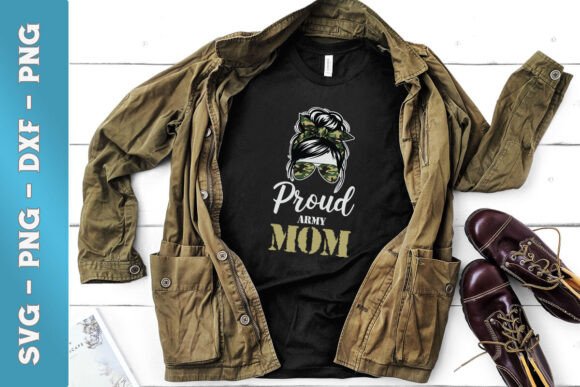
As a professional embroidery digitizer and product reviewer, I approach every new graphic with a specific question: will this actually stitch out cleanly on fabric? When evaluating the Messy Bun Army Mom SVG, my first impression is that it captures a very specific, relatable aesthetic. The design balances the chaotic energy of parenthood with military pride, creating a visual identity that resonates deeply with a niche audience. However, because this listing is primarily marketed as a digital cutting file for Cricut or Silhouette machines, we must assess its viability as a foundation for a machine embroidery design. Transitioning from vinyl cutting to needle and thread requires a critical eye for detail, line weight, and structural integrity.
Translating Vector Graphics to Stitched Reality
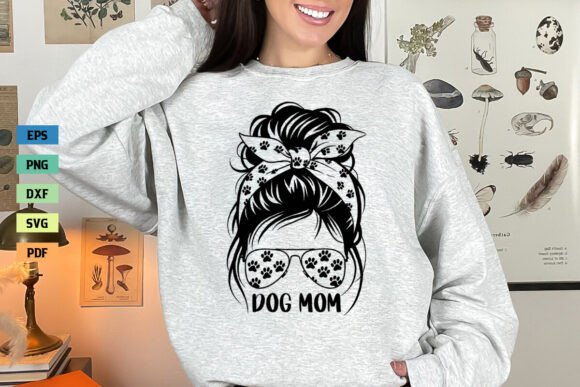
The "messy bun" motif relies heavily on organic, flowing lines. In the world of Graphics and vinyl, these lines can be infinitely thin. In embroidery, they cannot. When I look at this Messy Bun Army Mom SVG, I am immediately calculating how those hair wisps will translate into satin stitch columns. If the original vector lines are too fine, they risk disappearing into the fabric texture or causing thread breaks during production. For a successful embroidery project, the hair details need enough width to accommodate a minimum column width, typically around 0.8mm to 1mm depending on the fabric.
The text element, "Army Mom," presents another consideration. Bold, blocky fonts often work best for custom apparel because they provide adequate surface area for fill stitch coverage. If the SVG uses a distressed or grunge font style common in Crafts, you must ensure the distress marks aren't so small that they become perforations rather than design elements. A solid, readable typeface ensures the message remains legible even after washing and wear, which is crucial for maintaining customer trust in a handmade product.
Real-World Application: The Military Family Sweatshirt
To truly test the commercial viability of this design, let’s imagine a real-life scenario. I recently consulted with an Etsy seller who wanted to create a premium sweatshirt embroidery line for military spouses. We selected the Messy Bun Army Mom SVG as the centerpiece for a heavyweight cotton fleece crewneck. The goal was a vintage-inspired, left-chest placement that felt personal yet polished.
In this application, the design serves as more than just decoration; it acts as a badge of identity. For the finished product to succeed, the embroidery had to sit flat against the thick fleece without puckering. Because sweatshirts have a high pile, we had to adjust the stitch density. Using the standard settings meant for t-shirts would have caused the design to sink into the fabric, making the messy bun look undefined. By increasing the underlay and slightly reducing the top stitch density, we allowed the design to float above the nap. This practical adjustment turned a simple digital embroidery file concept into a high-value boutique item that sold out during the holiday season.
Fabric Compatibility and Stabilizer Strategy
Not every garment is created equal, and neither is every embroidery file. While the Messy Bun Army Mom SVG shines on stable knits like French terry or cotton fleece, it demands caution on other substrates. If you plan to use this for baby embroidery on lightweight onesies, the design's complexity could overwhelm the fabric. Thin jersey knits require significant stabilization to prevent distortion. I recommend using a cut-away stabilizer with a fusible backing to add temporary body to the garment during stitching.
For tote bag design projects involving canvas or denim, the challenge shifts from stretch to texture. Canvas has a coarse weave that can swallow fine details. In this case, you might consider converting parts of the messy bun into an applique design. Using fabric for the main shape of the bun reduces stitch density significantly, prevents the bag from becoming bulletproof in one spot, and adds a tactile dimension that vinyl cannot replicate. Always verify your hoop size before committing; a design that looks balanced on screen can appear cramped or disproportionately large once hooped on a curved surface like a cap or a gathered tote.
Commercial Viability for Small Business Owners
For the craft business owner, time is money. The Messy Bun Army Mom SVG offers excellent potential for batch production because the theme is evergreen within the military community. It works exceptionally well for holiday embroidery gifts, deployment care packages, and reunion merchandise. However, professionalism lies in the finish. Before listing any small shop product, you must run a sew-out test. Do not rely solely on printable mockup software. Software cannot simulate how thread colors interact with specific fabric texture.
I advise testing the design on both light and dark backgrounds. A messy bun that pops on white cotton might vanish on olive drab green unless you adjust the outline or add a highlight running stitch. Furthermore, check your licensing. Since this listing specifies compatibility with cutting machines, you must confirm whether the creator permits commercial use of the digitized embroidery version. Respecting intellectual property is as important as stitch quality in building a reputable brand. Clear communication about what is included—a cutting file versus a pre-digitized embroidery file—manages buyer expectations and prevents negative reviews.
Designer Notes for Optimal Results
If you decide to adapt the Messy Bun Army Mom SVG for needlework, keep these practical guidelines in mind to ensure a professional outcome:
- Verify File Compatibility: Remember that this product is sold as a cutting file. You will likely need to manually digitize it or hire a professional digitizer to convert it into a machine-readable embroidery format like PES, DST, or JEF.
- Simplify for Scale: If resizing the design smaller than 3 inches, remove internal detailing in the hair. Tiny gaps in satin stitches often cause registration issues and needle deflection.
- Test Thread Contrast: Military-themed designs often utilize muted tones. Ensure there is sufficient contrast between the thread and the garment so the design is visible from a distance.
- Check Washability: If creating items for children or kitchen use (like aprons), avoid metallic threads or excessive density that makes laundering difficult.
- Mockup vs. Reality: Use black and white mockups to evaluate value and composition before adding color. If the design reads well in grayscale, it will likely stitch well.
- Stabilizer Selection: Match your stabilizer to the end use. Tear-away is fine for towels, but cut-away is mandatory for wearable personalized gift items to maintain shape over time.
Final Thoughts on Design Adaptation
The Messy Bun Army Mom SVG represents a fantastic starting point for creators looking to serve the military family niche. Its strength lies in its emotional connection and clear target demographic. As an embroidered patch, a chest logo, or a full-back print, it carries significant market weight. However, success depends entirely on the maker's willingness to respect the differences between cutting and stitching. By approaching this graphic with technical diligence and testing it rigorously on your intended substrates, you transform a simple digital asset into a cherished, tangible product. Whether you are an experienced apparel decorator or a hobbyist making a gift for a friend, taking the extra step to validate the design's physical performance ensures that the final result honors both the craft and the recipient.