Hockey Mom Svg Png: An Embroidery Design Review
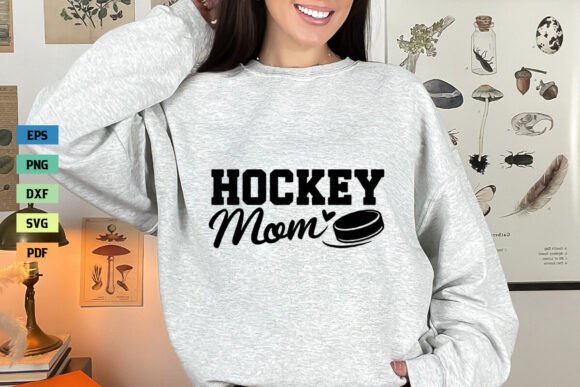
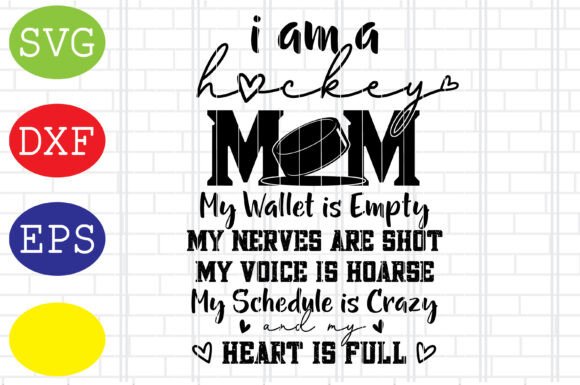
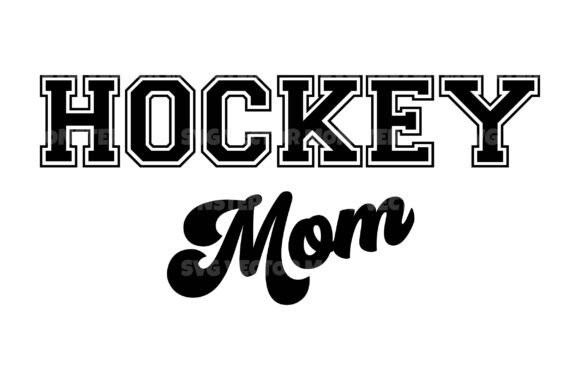
As a professional embroidery designer and product reviewer, I approach every new graphic asset with a specific question: will this actually stitch out cleanly on fabric? When evaluating the Hockey Mom Svg Png for real-world application, my focus shifts immediately from its digital versatility to its structural integrity as a machine embroidery design. While this vector file is marketed as ready-to-print for t-shirts, mugs, and decals, its clean lines and scalable nature make it a compelling candidate for digitizing into custom apparel and handmade products. The mood of this graphic is undeniably spirited yet organized, striking that difficult balance between sporty chaos and maternal pride that defines the niche.
For those of us in the craft business or running an Etsy shop, this design asset offers more than just a cute motif; it provides a foundation for high-value personalized gifts. However, transitioning from a PNG or SVG format to a finished embroidered product requires careful judgment. In this review, I am assessing how this specific hockey mom theme translates when thread meets fabric, ensuring your commercial embroidery projects maintain professional standards and customer satisfaction.
Translating Vector Lines to Stitch Paths
The primary advantage of using a vector-based source like the Hockey Mom Svg Png is the clarity of the artwork before digitizing begins. Unlike raster images that can pixelate when resized, vectors allow us to see exactly where satin stitch columns should be placed and where fill stitch areas are appropriate. For a hockey-themed design, which often includes elements like crossed sticks, pucks, or bold typography, this precision is non-negotiable. When I look at this graphic, I see excellent potential for a mixed-media embroidery project. The bold shapes suggest they would work beautifully as an applique design, reducing stitch count while maintaining visual impact on heavier garments like sweatshirts or tote bags.
However, creators must be mindful of stitch density during the conversion process. A common pitfall with sports graphics is over-digitizing. If you convert every element of this design into dense satin stitches, the final embroidered patch or garment decoration may become stiff and prone to puckering. I recommend utilizing running stitch outlines for finer details within the hockey equipment imagery and reserving denser fills only for text or focal points. This approach preserves the drape of the fabric, which is essential for wearable custom apparel. Always verify that your embroidery file has been optimized for the specific fabric texture you intend to use, as the same design behaves differently on fleece versus cotton twill.
Real-World Application: The Rink-Side Tote Bag
To truly test the viability of this design, let’s consider a practical scenario: creating a premium tote bag for hockey moms to carry gear, snacks, and water bottles. This is a staple small shop product that sees heavy wear and frequent washing. In this context, the Hockey Mom Svg Png serves as the perfect centerpiece. Because tote bags are typically made of canvas or duck cloth, the fabric texture is substantial enough to support moderate stitch density without excessive stabilizer buildup.
When preparing this embroidery project, I envision the design centered on the bag with ample negative space around it. The scalability of the original SVG allows me to size the artwork perfectly for a 5x7 hoop or larger, depending on the bag's dimensions. For a client who wants a personalized gift, adding a name below the main graphic in a complementary font adds significant perceived value. From a production standpoint, this design works efficiently because the color changes are logical. Using standard team colors or classic monochrome palettes keeps thread trims minimal and production time reasonable. The result is a durable, washable item that looks professionally manufactured rather than homemade, which is crucial for building buyer engagement and trust in your brand.
Navigating Fabric Challenges and Hoop Sizes
While the design is versatile, not all applications are created equal. As an experienced reviewer, I must highlight where caution is necessary. Hockey culture extends beyond heavy sweatshirts; it includes performance wear, caps, and lightweight jerseys. These items present unique challenges for any machine embroidery design derived from this graphic.
- Stretchy Performance Fabrics: If applying this design to moisture-wicking athletic wear, you must use a high-quality cut-away stabilizer and potentially a topping to prevent stitches from sinking into the knit. The design may need to be simplified, removing tiny details that could get lost in the stretch.
- Caps and Curved Surfaces: Embroidering on caps requires specialized hooping and often a different digitizing strategy (center-out stitching). Ensure the Hockey Mom Svg Png is adapted for curved surfaces; flat designs often distort on the crown of a hat.
- Small Hoop Limitations: If you are working with a 4x4 hoop size, resist the urge to shrink complex elements too small. Tiny lettering or intricate stick lacing will turn into thread blobs. Simplify the design or choose a different layout for smaller hoops.
- Dark vs. Light Fabrics: Test your thread colors against both backgrounds. White thread on dark navy requires adequate underlay to prevent the fabric color from showing through, which adds density. Conversely, dark thread on white may require less underlay but higher contrast checking.
Understanding these variables ensures that whether you are making baby embroidery for a team sibling or holiday embroidery for a coach, the finished product maintains structural integrity and visual appeal.
Professional Standards for Sellers and Makers
For Etsy sellers and creative entrepreneurs, consistency is key to sales. Before listing any product featuring this design, conduct rigorous testing. Create a printable mockup to visualize placement, but always follow up with a physical stitch-out on scrap fabric similar to your final product. Check the back of the embroidery; messy bobbins or excessive jump stitches indicate the digital embroidery file needs editing. Customers judge quality by both sides of the work.
Furthermore, clearly understand the licensing of the Hockey Mom Svg Png. While the description notes it is ready for print and various crafts, confirm whether commercial embroidery rights are included if you plan to sell finished goods. Transparency about your process and materials builds customer trust. When photographing your work for listings, show the texture of the stitches. Buyers want to see the dimensionality of the satin stitch and the crispness of the edges. Highlighting these details distinguishes your handmade product from mass-produced alternatives.
Final Verdict on Design Versatility
The Hockey Mom Svg Png is a robust starting point for a wide array of embroidery projects, provided the digitizer respects the relationship between art and thread. Its strength lies in its adaptability; it can be transformed from a simple decal file into a sophisticated embroidered patch, a cozy sweatshirt embellishment, or a cherished personalized gift. For the serious maker, success comes not just from owning the file, but from understanding how to manipulate it for specific substrates.
Whether you are expanding your boutique branding or fulfilling a custom order for a local team, treat this graphic as a blueprint rather than a final destination. Pay attention to stabilizer choices, respect stitch density limits, and always prioritize the longevity of the finished product over speed. By applying these professional insights, you ensure that every tote bag, apron, or cap you produce honors the spirit of the design and meets the high expectations of the hockey community. Ultimately, a well-executed embroidery project using this asset does more than decorate fabric; it celebrates identity with craftsmanship that lasts season after season.